
How Health For Life Supports Your Cannabis Journey
No two cannabis experiences are alike, and that’s exactly how it should be. At Health For Life Crismon, we understand that your needs and goals are en...

Cannabis consumption has come a long way from the days of just rolling a joint. Today, you can smoke it, vape it, or eat it, the consumption methods are endless. Each method offers a unique experience, onset time, and duration of effects. But which one is the best for you?
In this blog, we’ll break down the pros and cons of smoking, vaping, and edibles so you can find the best consumption method for your lifestyle.
For many, smoking cannabis is the most familiar and traditional way to enjoy the plant. You can roll a joint, pack a bowl, or use a bong to quickly deliver cannabinoids straight to the bloodstream through your lungs, making it one of the fastest ways to feel the effects.
How It Works: Smoking involves combusting cannabis flower and inhaling the smoke, which allows cannabinoids like THC and CBD to enter your system almost instantly.
Onset & Duration: Effects kick in within minutes, making it easy to gauge how much you need. The high typically lasts 1 to 3 hours, depending on the strain, potency, and individual tolerance.

If you’re looking for immediate effects, a hands-on experience, and easy dose control, smoking might be a great option. However, if lung health or odor is a concern, you might want to try vaping or edibles as an alternative.
For those looking for a cleaner, more discreet way to consume cannabis, vaping has become a popular option. By heating cannabis flower or oil instead of combusting it, vaping produces vapor rather than smoke. This option can be gentler on the lungs while still delivering quick effects
How It Works: Vaping involves using a vape pen, portable vaporizer, or tabletop device to heat cannabis at a lower temperature than smoking. This process activates cannabinoids and terpenes without burning the plant material. This allows for a smoother inhale and potentially fewer harmful byproducts compared to traditional smoking.
Onset & Duration: Effects kick in within minutes, much like smoking. The high typically lasts 1 to 3 hours, depending on similar factors as smoking.

If you want a fast-acting experience that is smoother than smoking, more discreet, and portable, vaping might be a great fit. Although, investing in a quality device and understanding how to maintain it requires extra time and money.
Edibles are a culinary world waiting to be discovered, from gummies to chocolates to infused drinks and baked goods. This method offers a different kind of high, one that takes longer to kick in but lasts much longer than smoking or vaping.
How It Works: Unlike smoking or vaping, where cannabinoids enter the bloodstream through the lungs, edibles are metabolized through the digestive system. Once consumed, THC is processed by the liver and converted into a more potent form that leads to stronger and longer-lasting effects.
Onset & Duration: Effects can take between 30 minutes to 2 hours to kick in, depending on metabolism, food intake, and dosage. The high can last 4 to 8 hours (or, in some cases, even longer).
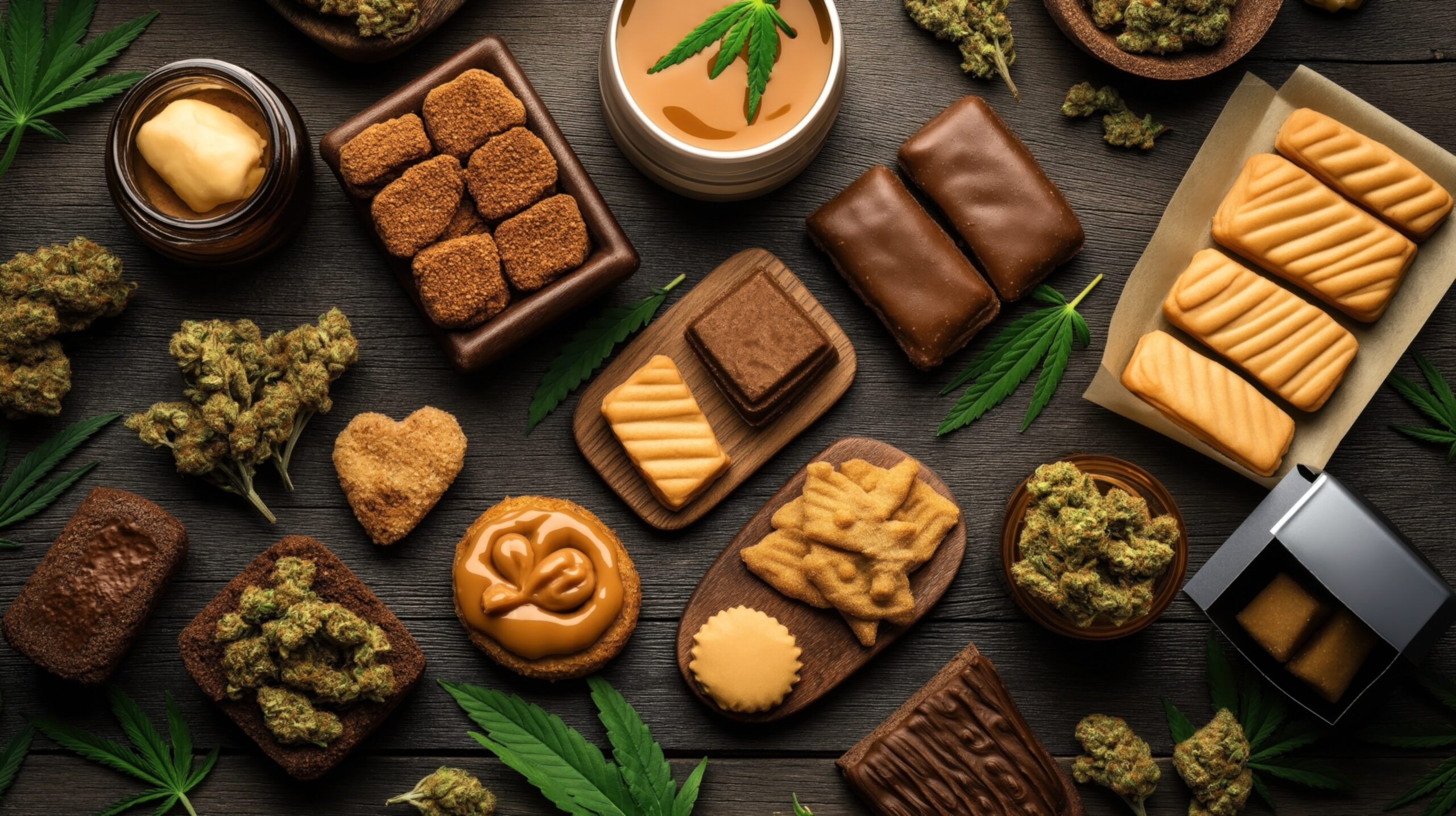
Edibles offer a smoke-free, long-lasting experience if you don’t mind waiting for the effects to kick in. Just be mindful of the dosing! Start with 2.5 mg to 5 mg of THC if you’re new to edibles, and wait at least two hours before considering another dose.
There’s no one-size-fits-all approach when it comes to cannabis. Whether you prefer the fast-acting effects of smoking, the smooth and discreet experience of vaping, or the long-lasting potency of edibles, the best method depends on your lifestyle, health considerations, and personal preferences.If you’re unsure where to start or simply want to explore new options, Health For Life dispensaries are here to help.
Our knowledgeable team is ready to answer your questions, guide you through different consumption methods, and help you find the perfect product for your needs. Stop by a Health For Life location or browse our online menu to check out our wide selection of premium flower, vapes, and edibles and discover the cannabis experience that works best for you! Start your journey with Health For Life!
The contents of this blog are intended for informational purposes only. Always seek the advice of a physician or other qualified healthcare provider with any questions you may have regarding a medical condition.


